

Are you confused by all the numbers, plugs, and warnings on your ebike power supply? You are not alone. Picking the right equipment to power up your ride is not just about finding a plug that fits into the wall. It is about protecting a very expensive investment. In this comprehensive guide, we will break down everything you need to know about voltage, amperage, and connector types. By the time you finish reading, you will know exactly how to choose the right e-bike charger to maximize your battery life, prevent dangerous electrical fires, and keep your fleet running smoothly.
This guide is absolutely worth reading because using an incompatible charger can severely damage the battery, void your warranty, or even cause a catastrophic fire. Whether you are a daily commuter or a distributor managing a large fleet of rentals, understanding how to select the best ebike charger is the ultimate key to safe and efficient charging. Let's dive in.
Why Is It So Important to Choose the Right E-bike Charger for Your Ebike Battery?
Choosing the right e-bike charger is the most critical maintenance decision you will make as a rider or fleet manager. Your ebike battery is likely the single most expensive component on your entire electric bicycle. If you treat it poorly, it will fail prematurely. A high-quality charger acts as the guardian of that battery pack. It delivers the exact amount of electricity required without overwhelming the internal lithium-ion cells.
When you use the manufacturer-approved charger, you guarantee that the electrical flow matches the chemical needs of the cells. This careful balance ensures optimal performance and longevity. On the flip side, grabbing a cheap, unverified charger off the internet is a massive gamble. An incompatible charger can damage the delicate internal chemistry. It might push too much power too fast, causing the cells to swell, degrade, or simply die long before their expected lifespan.
Furthermore, safety is a massive concern in the e-bike industry today. We have all seen news stories about battery fires. Almost all of these incidents stem from people using the wrong charger for electric bike batteries. When you choose the right e-bike charger, you are investing in peace of mind. You ensure that your equipment charges safely in your garage, store, or warehouse without posing a risk to your property.
How Do You Match the Voltage When You Choose a Charger?
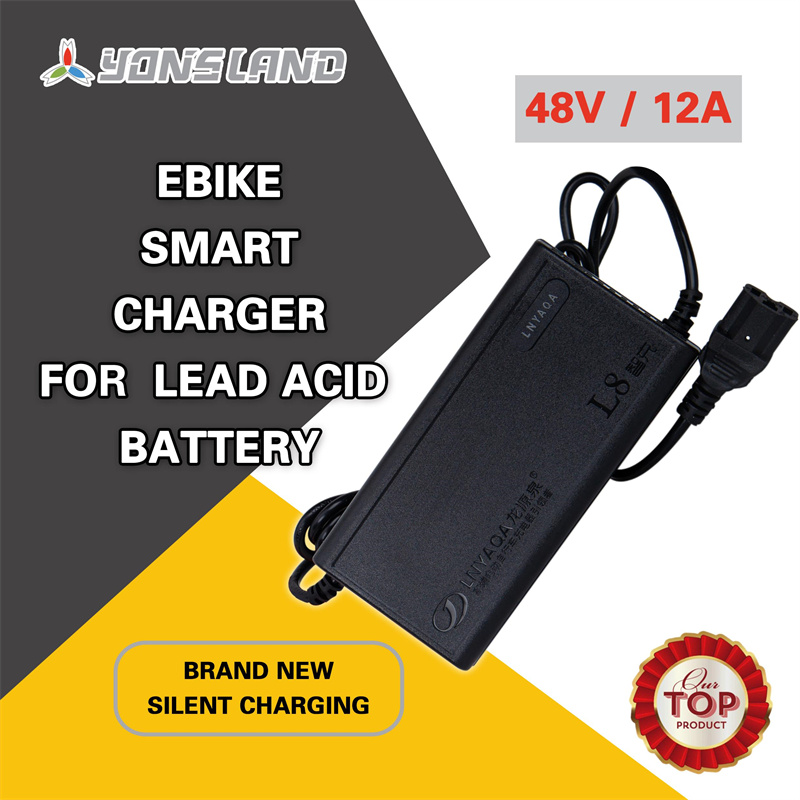
To safely power your ride, you absolutely must match the voltage of your battery with the correct charger voltage. Voltage is essentially the electrical pressure that pushes power into your battery. However, there is a big point of confusion for many buyers. A battery's "nominal" voltage is not the same as its maximum charge voltage.
For example, if you own a 48v e-bike, you cannot use a charger that only puts out 48 volts. To push electricity into a full 48v battery, the charger needs a slightly higher pressure. Therefore, a standard 48v battery actually requires a charger that outputs 54.6v. This specific number ensures the battery fills all the way to 100% capacity. If you look at the specification label on your battery charger, you should clearly see this output rating.
If you have a 36v battery, the matching charger will typically output 42.0v. You must always check your battery pack label before you buy a replacement. Do not guess. If you fail to match the voltage and connector properly, you risk destroying the battery management system. Always ensure the output voltage of the new charger matches the original charger exactly.
What Happens If You Use a 48V Charger on a 36V Battery?
This is a disastrous mistake. You should never, under any circumstances, use a 48v charger on a 36v battery. As we learned earlier, a 48v charger pushes electricity at 54.6 volts. A 36v battery is only designed to handle a maximum of 42 volts. If you connect them, the charger will force way too much electrical pressure into the smaller battery.
When you use a higher voltage charger on a 36v battery, the battery cells will rapidly overcharge. Lithium-ion cells are incredibly sensitive to overcharging. When pushed past their voltage limit, the cells heat up extremely fast. The battery pack will overheat, swell, and it is highly likely to catch fire or explode. This thermal runaway event is impossible to stop once it starts.
Conversely, if you try to use a 36v charger on a 48v e-bike battery, the result is less dramatic but still frustrating. Because the charger only pushes 42 volts, and the battery needs 54.6 volts, the charger lacks the pressure to push electricity into the battery. The battery will simply not charge. To guarantee a safe charge, always double-check the voltage ratings. Never mix and match different voltages.
How Does Amperage Affect Charging Speed and Battery Health?
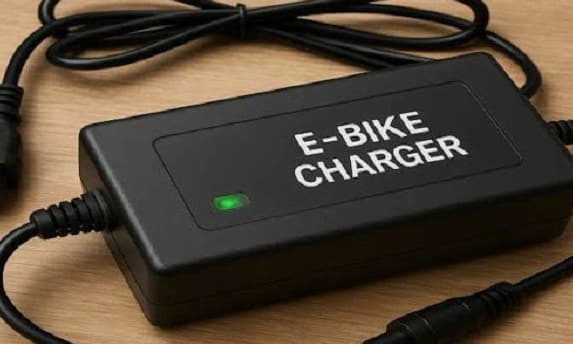
While voltage determines the pressure, amperage determines the volume of electricity flowing into your battery. Think of it like a water hose. Voltage is the water pressure, and amps represent the width of the hose. When you look at an electric bike charger, you will usually see an amp rating, such as 2A, 3A, or 5A. This number dictates your charging speed.
A standard charger usually provides 2 amps. If you have a 10Ah (amp-hour) battery, a 2-amp charger will take about 5 hours to fill it from empty to full. If you upgrade to a 4-amp charger, you effectively double the size of the water hose. The charge time drops to just 2.5 hours. This sounds fantastic, especially if you use your ebike for a heavy daily commute. However, pushing a higher amperage creates significantly more internal heat.
Heat is the absolute worst enemy of battery health. Consistently using a high amp charge current will slowly bake the chemical components inside the battery pack. Over a year or two, this heat degrades the capacity. You will notice your riding range getting shorter and shorter. For the best lifespan, sticking to a lower amperage standard charger for overnight charging is the smartest strategy.
What Connector Type Does Your E-Bike Need for Charger Compatibility?
Even if you perfectly match the voltage and the amps, the charger is useless if it does not physically plug into your bike. There are dozens of different connector types used across the e-bike industry. You must identify your specific plug to ensure compatibility. If you try to jam the wrong plug into the socket, you will bend the pins, cause short circuits, and ruin the charging port.
Common connector types include DC barrel plugs, XLR connectors (which have three small pins), RCA plugs, and XT60 connectors. Some major brands use a highly specific proprietary plug to force you to buy their expensive branded replacements. When you choose a charger, closely examine the shape, the number of pins, and the gender (male or female) of your current plug.
If you are replacing a lost or broken cord, you might want to look into an exact replacement like the Ebike Charging Power Cord Battery Power Cord Female male and plug. Using the correct connector type guarantees a snug, secure fit. A loose connector can cause electrical arcing, which creates dangerous sparks and can permanently damage your battery.
What Are the Different Types of E-Bike Chargers and Which Is the Best Charger?
When shopping for replacements, you will notice there are a few different types of e-bike chargers on the market. The most basic type is a "dumb" charger. It pushes a constant voltage and current until you unplug it. These are cheap, but they are incredibly risky. If you forget to unplug a dumb charger, it will continuously try to pump power, which will eventually overcharge and damage your battery.
The best charger you can buy is a smart charger. A smart charger actually communicates with the battery. It monitors the voltage as the battery fills up. When the battery pack reaches 100%, the smart charger automatically cuts off the power or drops to a tiny "trickle charge." This brilliant feature prevents overcharging, reduces heat, and vastly extends the lifespan of the battery.
For commercial buyers or tech-savvy riders, you can even find chargers with digital readouts. An Ebike Digital Display Charger allows you to monitor the exact voltage and current in real-time. This level of detail helps you spot battery health issues early. Without a doubt, an efficient charger with smart capabilities is the only type you should trust with your expensive equipment.
Should You Use a Fast Charger or a Standard Charger for Your Ebike?
Many riders are tempted by the incredible speed of a fast charger. A fast charger pushes a much higher amperage—usually 4 amps, 5 amps, or even more. If you are in the middle of a long weekend ride and need a quick boost at a cafe, a fast charger is an absolute lifesaver. It can get you back on the road in a fraction of the time.
However, you should use fast chargers sparingly. As mentioned earlier, pushing that much current generates a massive amount of heat. If you use a fast charger every single day, you will dramatically shorten the overall lifespan of your e-bike batteries. The lithium-ion cells become stressed, and their ability to hold a charge diminishes rapidly.
For your daily routine, a standard charger (2A or 3A) is always the recommended charger. Plug it in when you get home from work, let it charge slowly overnight, and wake up to a fresh, cool battery. This slow, steady trickle is exactly what the battery chemistry prefers. If you want your battery life to stretch across several years, patience is your best tool.
Why Are Safety Features Like the BMS Crucial for a Charger for Electric Bike?
You cannot talk about safe charging without talking about the BMS. The Battery Management System (BMS) is a small, vital computer circuit board tucked safely inside your battery casing. It is the absolute brains of the operation. The BMS constantly monitors the temperature, voltage, and current of every single individual cell inside the battery pack.
When you plug in your best ebike charger, the charger and the BMS work together as a team. If the BMS detects that the battery is getting too hot, it will tell the smart charger to slow down or stop entirely. The BMS prevents dangerous short circuits. It prevents you from draining the battery too low, and it stops the charger from pushing the battery too high.
However, the BMS can only do its job if you use a compatible, certified charger. A cheap, knock-off charger might bypass the BMS entirely, leading to catastrophic failure. Always look for safety certifications like CE, UL, or FCC on the specification label. These marks prove the charger has been rigorously tested. Using a trusted Ebike Charger Battery setup ensures the BMS functions perfectly to protect your home and your ride.
How Do You Ensure Compatible Chargers and Batteries for Optimal Performance?
Ensuring you have compatible chargers and batteries is not just about safety; it is about getting the maximum riding range out of your bike. If you are a B2B distributor managing different ebike models, keeping track of charger compatibility is a major logistical challenge. The best strategy is to establish a strict labeling system.
First, always read the sticker on the back of the charger and the sticker on the battery. They must align. If your ebike battery says "Charge Voltage: 54.6V", your charger must output exactly 54.6V. Never settle for "close enough." If you are sourcing replacement parts, always strive to get the original charger from the factory.
If the original is not available, you must buy a high-quality aftermarket charger that matches the exact specification of the original. Check the voltage, match the amps to your desired charge time, and verify the connector physically matches. If you swap a worn-out battery for a new battery for electric Ebike, always check if it requires a new style of charger or if your old one remains fully compatible.
What Are the Top Tips for Choosing the Right E-Bike Charger?
To summarize, choosing the right e-bike charger requires a bit of attention to detail, but it is not overly complicated once you understand the basics. The right charger will protect your investment, provide a safe charge, and ensure your bike is always ready when you need it.
Here is a quick checklist for choosing the right one:
- Identify the Voltage: Find out if you have a 36v, 48v, or 52v battery. Remember that a 48v e-bike needs a charger that outputs 54.6v. Never use a 48v charger on a 36v battery.
- Check the Amperage: Decide if you need a standard charger (2A-3A) for daily overnight charging, or a fast charger (4A-5A) for quick top-ups. Use fast chargers sparingly to protect battery health.
- Verify the Connector: Look closely at the plug. Count the pins. Ensure the connector type matches perfectly to avoid short circuits.
- Demand Smart Features: Only buy a smart charger that automatically shuts off when the battery is full. This prevents you from accidentally overcharging the pack.
- Look for Certifications: Buy a certified charger (UL, CE) from a reputable source. An incompatible charger can damage your battery or start a fire. Do not cheap out on this essential component.
By following these simple rules, you guarantee optimal performance and longevity for your electric bike. Take care of your battery, and it will give you thousands of miles of effortless, joyful riding.
Key Takeaways
- Always match the charger's maximum output voltage to your battery's required charge voltage (e.g., 54.6V for a 48V battery).
- Never mix voltages! Using a 48v charger on a 36v battery will cause severe overheating and potential fires.
- A smart charger with an automatic shut-off feature is the best charger for preserving long-term battery life.
- Higher amperage means a faster charge time, but it creates more heat. Use a standard charger for daily use to maximize lifespan.
- Physically verify your connector type (XLR, barrel, proprietary) to ensure a safe, snug fit without electrical arcing.
- The Battery Management System (BMS) relies on a high-quality, certified charger to safely regulate electricity flow.
Post time: Jul-01-2026