

Electric utility bikes are designed for adults who need more than a simple ride from point A to point B. They combine electric assistance with practical carrying capacity, making them useful for commuting, shopping, family transportation, deliveries, campus travel, and everyday errands.
Unlike a lightweight leisure e-bike, an electric utility bike is built around real-world tasks. It may include a reinforced frame, rear rack, front basket, cargo platform, passenger seating, wider tires, integrated lights, and a battery system designed to support frequent use. For many adults, this kind of bike can reduce dependence on short car trips while adding flexibility to daily travel.
What Is an Electric Utility Bike?
An electric utility bike is an e-bike designed to carry people, cargo, or work equipment more effectively than a standard bicycle.
Most models combine a pedal-assist motor with a rechargeable battery. The rider can still pedal, while the motor provides additional support when starting, climbing, carrying a load, or traveling over longer distances.
Electric utility bikes may be used for:
- Daily commuting
- Grocery shopping and local errands
- Carrying tools or work supplies
- Small business deliveries
- Family transportation
- Recreational travel
- Campus and community mobility
- Last-mile transport
The best model depends on how much weight you need to carry, how far you travel, where you ride, and whether you need room for a passenger, cargo, or both.
Why Adults Choose Electric Utility Bikes
Easier Travel With Cargo
Carrying groceries, bags, packages, or work equipment on a conventional bicycle can be tiring and unstable. Electric assistance helps reduce the effort required to start, climb hills, and maintain speed when the bike is loaded.
A utility-oriented design can also improve cargo placement. A low-mounted cargo area or a properly designed rear rack can help maintain balance better than hanging heavy bags from the handlebars.
More Comfortable Commuting
For adults who commute by bike, electric assistance can make daily travel more practical. Riders may arrive with less fatigue, especially when traveling through headwinds, hills, stop-and-go traffic, or warm weather.
Comfort also depends on the riding position. An upright frame, adjustable handlebar, supportive saddle, suspension option, and practical step-through design can make routine riding easier for a broader range of users.
Flexible Alternative for Short Trips
Many local trips do not require a full-size car. Electric utility bikes can be useful for short-distance transportation, especially where parking is limited or traffic congestion is common.
They are not a replacement for every journey. However, for repeat trips within a practical riding range, they can offer a convenient and efficient mobility option.
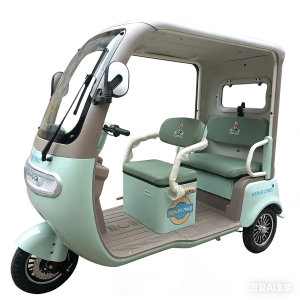
Key Features to Look For
Frame Strength and Total Payload
Payload is one of the most important buying factors. Check the manufacturer’s stated maximum total load, including:
- Rider weight
- Passenger weight
- Cargo weight
- Accessories
- Child seat or rear-seat equipment
Do not assume a rear rack can safely carry an adult passenger unless the complete bike and rack are specifically designed and rated for that purpose.
A strong frame, stable wheelbase, reliable rack structure, and suitable tire specification are essential when the bike will carry regular loads.
Motor Performance
Motor power affects how the bike handles starts, hills, cargo, and changing road conditions. More power is not automatically better; the correct choice depends on the intended route, load, local regulations, and rider preference.
When comparing Electric utility bikes, ask about:
- Motor type
- Rated power
- Peak performance conditions
- Torque characteristics
- Pedal-assist response
- Hill-climbing suitability
- Controller and display functions
A smooth, predictable pedal-assist system is often more useful for daily riding than aggressive acceleration.
Battery Capacity and Real-World Range
Battery range varies significantly. Rider weight, cargo load, terrain, weather, tire pressure, assist level, riding speed, battery age, and stop-start traffic can all affect actual distance.
Instead of relying only on a maximum advertised range, consider your normal daily route and leave a practical charging margin. Buyers should also confirm:
- Battery capacity
- Charging time
- Battery-removal method
- Battery protection features
- Replacement availability
- Storage guidance
- Warranty terms
For riders who travel frequently or carry heavier loads, battery reliability and local service support may be more important than a single headline range figure.
Braking Performance
Electric utility bikes can be heavier than ordinary bicycles, especially when loaded. Strong and well-maintained brakes are essential.
Disc brakes are commonly preferred for utility use because they can provide more consistent braking performance in varied conditions. However, brake quality also depends on rotor size, caliper design, brake adjustment, rider technique, and regular maintenance.
A bike carrying cargo should be tested carefully at low speed before entering busy roads or steep routes.
Tires, Wheels, and Stability
Wider tires can improve comfort and stability over rough roads. Wheel size, spoke strength, tire construction, and tread design also affect handling.
For cargo or passenger use, stability matters more than speed alone. A longer wheelbase, low center of gravity, reliable kickstand, and balanced load placement can make a major difference during stopping, parking, and low-speed turns.
Lighting and Visibility
Integrated front and rear lights improve visibility for early-morning, evening, and poor-weather riding. Reflectors, bright clothing, clear turn signals where available, and predictable road behavior can further improve safety.
If the bike will be used for work or daily transportation, lighting should be treated as a core feature rather than an optional accessory.
Cargo Bike, Passenger Bike, or Multi-Purpose Utility Bike?
Different adults need different layouts.
| Type | Best For | Key Consideration |
|---|---|---|
| Cargo utility bike | Groceries, parcels, tools, deliveries | Check cargo-platform rating and load balance |
| Passenger utility bike | Carrying an approved passenger | Verify seat, footrests, frame, and load rating |
| Commuter utility bike | Daily work or campus travel | Prioritize comfort, lighting, and battery convenience |
| Multi-purpose utility bike | Mixed errands and family use | Choose adaptable racks and secure accessory options |
A multi-purpose model can be a good choice for households and small businesses, but only if the accessories are compatible with the bike’s frame and stated load limits.
Safety Practices for Adult Utility E-Bike Riders
Safe use begins before the first ride.
- Wear an appropriate helmet where required or recommended.
- Check tire pressure, brakes, lights, and battery charge before riding.
- Secure cargo so it cannot shift into wheels, pedals, or the rider’s movement path.
- Keep heavy cargo low and centered whenever possible.
- Start with lower assist levels until you understand the bike’s acceleration and braking behavior.
- Follow local rules for e-bike classification, road access, passenger transport, helmets, lighting, and speed.
- Use the correct charger supplied or approved for the battery system.
- Do not use damaged batteries, chargers, cables, or connectors.
If the bike is used for business delivery or repeated heavy loads, establish a routine inspection and maintenance schedule.
Maintenance Matters
Electric utility bikes combine bicycle components with electrical systems. Regular maintenance protects both performance and safety.
Key maintenance areas include:
- Brake pads, discs, and cable or hydraulic system condition
- Tire wear and tire pressure
- Chain, drivetrain, and gear adjustment
- Rack fasteners and cargo accessories
- Wheel spokes and axle security
- Battery condition and charging connections
- Lights, display, and control functions
- Frame inspection for damage or unusual movement
Keep the battery dry, avoid extreme storage conditions where possible, and follow the manufacturer’s recommended charging and storage procedures.
How to Choose the Right Electric Utility Bike
Before purchasing, answer these questions:
- How far will you usually ride in one day?
- What is the maximum total weight you expect to carry?
- Will you carry cargo, a passenger, or both?
- Are your routes flat, hilly, smooth, or uneven?
- Can you charge the battery conveniently at home or work?
- Do you need a step-through frame for easier mounting?
- Are spare parts, batteries, and technical support available in your market?
- What e-bike rules apply in your local area?
The right choice should support your real routine, not only look impressive in a product specification list.
Conclusion
Electric utility bikes give adults a practical way to combine daily transportation with cargo capacity, riding comfort, and electric assistance. They can support commuting, errands, small business use, and family mobility when selected and operated responsibly.
The best Electric utility bikes are built around safe payload capacity, stable handling, dependable brakes, appropriate battery performance, and reliable service support. Focus on how the bike will be used every day, confirm its stated ratings, and always follow local road and e-bike requirements.
For product information, application discussions, and purchase support, please contact our team.
FAQ
What is the difference between an electric utility bike and a normal e-bike?
An electric utility bike is designed with greater practicality for cargo, passengers, work equipment, or daily transport. It often includes a stronger frame, rack system, reinforced wheels, and features intended for frequent use.
Can Electric utility bikes carry an adult passenger?
Some models can, but only when the complete bike, rear seat, rack, footrests, and total payload are specifically designed and rated for adult passenger use.
How much cargo can an electric utility bike carry?
Cargo capacity varies by model. Always check the manufacturer’s stated total payload and rack-specific limits before loading the bike.
Are electric utility bikes suitable for hills?
They can be suitable for hills when the motor, battery, gearing, rider weight, and cargo load match the route. Heavier loads and steep grades may require a more capable system.
How long does an electric utility bike battery last?
Real-world range depends on battery capacity, assist level, terrain, rider and cargo weight, weather, tire pressure, and riding style. Battery lifespan also depends on charging habits, storage conditions, and usage frequency.
Post time: Oct-16-2026