

The cost to convert a bicycle to electric depends mainly on the motor type, battery capacity, conversion-kit quality, installation method, and the condition of the original bike. A basic DIY conversion can cost far less than purchasing a premium factory-built e-bike, while a high-capacity battery, powerful drive system, and professional installation can raise the total investment significantly.
The most important point is that the battery and motor system should match the bike, rider weight, terrain, route length, and local e-bike requirements. A low-priced kit may not provide the range, torque, braking performance, or reliability needed for daily commuting.
For anyone planning to convert bikes to electric, it is better to evaluate the full system cost than focus only on the motor-kit price.
What Is Included in an Electric Bike Conversion?
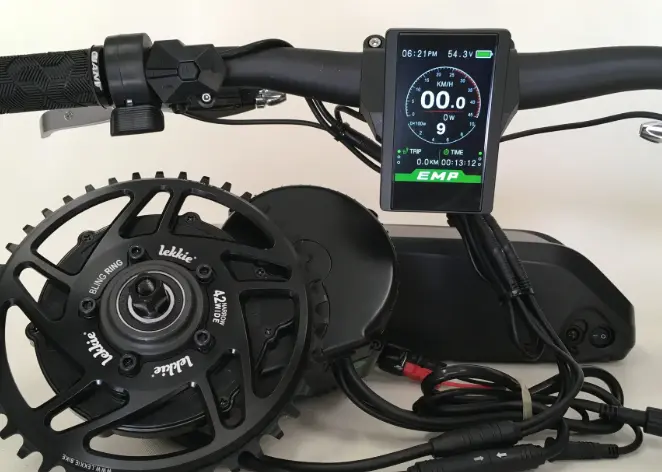
An electric bike conversion changes a standard bicycle into an electrically assisted bicycle. Most conversion systems include several main components:
- Motor
- Battery
- Controller
- Display or control panel
- Pedal-assist sensor
- Throttle, where permitted and required
- Wiring harness
- Charger
- Mounting hardware
- Brake cut-off sensors or compatible brake components
Some kits include nearly everything required, while others require separate battery, display, accessories, or installation parts.
The Main Cost Factors
1. Motor Type
The motor is one of the main cost factors when converting a bike to electric.
Common motor options include:
- Front hub motors
- Rear hub motors
- Mid-drive motors
A hub motor is commonly selected for straightforward conversion projects. Front hub motors can be easier to install on compatible bikes, while rear hub motors may provide better traction for some riding conditions.
Mid-drive systems are often more complex and may cost more because they interact with the bike's drivetrain. They can be a strong option for hills, cargo use, and riders who need efficient climbing performance, but compatibility must be checked carefully.
2. Battery Capacity
The battery is usually the most important and often the most expensive part of an e-bike conversion.
Battery cost is influenced by:
- Voltage
- Amp-hour capacity
- Watt-hour capacity
- Cell quality
- Battery-management system
- Case design
- Mounting style
- Water resistance
- Charger type
- Warranty and safety features
A larger battery generally provides more potential range, but it also adds weight and cost. For daily commuting, the best battery is not always the largest one. It should provide sufficient range for the planned route while fitting the bike frame safely.
3. Conversion Kit Quality
Not all conversion kits offer the same performance. Lower-cost kits may be suitable for light recreational use, while higher-quality systems may provide better wiring protection, smoother power delivery, more reliable controllers, improved displays, and stronger support for daily riding.
A complete electric conversion kit may include the motor wheel, controller, display, pedal-assist sensor, wiring, and accessories. Buyers should confirm exactly what is included before comparing prices.
4. Installation Cost
Installing an e-bike conversion kit yourself can reduce the total cost, but only when the installer understands bicycle mechanics and follows the product instructions carefully.
Professional installation may increase the project cost, but it can be worthwhile when the bike requires wheel work, brake upgrades, cable routing, battery mounting, drivetrain adjustment, or compatibility checks.
Professional installation can also help identify problems before the bike is used on the road.
5. Bicycle Compatibility
The condition and design of the original bicycle affect conversion cost.
Before converting, check:
- Frame strength and available battery space
- Front fork material and dropout design
- Wheel size
- Brake type and braking condition
- Drivetrain condition
- Tire condition
- Chain and cassette wear
- Handlebar space for controls
- Required cable routing
- Total rider and cargo weight
An older bike with worn brakes, damaged wheels, or a weak frame may need upgrades before it can be safely converted. These additional repairs should be included in the budget.
Typical Cost Levels for Electric Bike Conversion
The final cost usually falls into one of three practical categories.
| Conversion Level | Typical Purpose | Main Features |
|---|---|---|
| Basic conversion | Short, flat, occasional rides | Smaller battery, hub motor, simple controls |
| Mid-range conversion | Daily commuting and regular transport | Better battery capacity, stronger components, improved reliability |
| Premium conversion | Long routes, hills, cargo, or frequent use | High-capacity battery, powerful drive system, professional setup |
The exact cost can vary widely by market, motor power, battery specification, shipping, installation, local taxes, and optional accessories.
Why Battery Capacity Changes the Total Cost
Battery capacity is often measured in watt-hours, or Wh.
A simple calculation is:
Watt-hours = Voltage x Amp-hours
For example, a 48V battery with a higher amp-hour rating generally stores more energy than a lower-capacity battery of the same voltage. More stored energy can support longer riding range, but real range also depends on terrain, rider weight, tire pressure, wind, assist level, cargo, and riding style.
When planning to convert bikes to electric, buyers should choose a battery based on daily route requirements rather than assuming that every battery provides the same range.
Additional Costs to Consider
The conversion kit is not always the full project cost. Other expenses may include:
- New tires or tubes
- Brake upgrades
- Torque arms for compatible hub-motor installations
- Battery mounting accessories
- Waterproof cable protection
- Rear rack or cargo rack
- Lighting upgrades
- Helmet and safety equipment
- Replacement chain or drivetrain parts
- Professional bike inspection
- Ongoing maintenance
Including these items in the budget helps avoid surprises after the conversion begins.
Is It Cheaper to Convert a Bike or Buy an E-Bike?
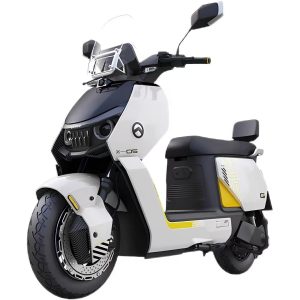
Converting an existing bike can be cost-effective when the bicycle frame, wheels, brakes, and drivetrain are in good condition. It can also allow the rider to choose the battery size, motor type, and riding style that best fit their needs.
Buying a complete e-bike may be more practical when the original bike is unsuitable for conversion, when integrated design is important, or when the rider wants a factory-built system with a complete warranty package.
The better option depends on the existing bike's condition, desired performance, budget, and confidence with maintenance.
How to Keep Conversion Costs Under Control
To manage the cost of an electric bike conversion:
- Inspect the original bicycle before choosing a kit.
- Calculate your typical daily distance and terrain.
- Choose battery capacity based on real riding needs.
- Confirm that the wheel size and frame fit the conversion system.
- Avoid selecting motor power beyond what the bike and local rules can support.
- Include brakes, tires, and safety accessories in the budget.
- Consider professional installation for complex or high-use conversions.
Choosing compatible components at the beginning can reduce costly changes later.
Final Thoughts
The cost to convert a bike to electric depends on the motor, battery, kit quality, installation, and any necessary bicycle upgrades. A simple conversion can be an affordable way to add electric assistance, while a higher-performance setup requires a larger investment in battery capacity, durability, and professional installation.
For the best result, plan the entire system before buying. When you convert bikes to electric, prioritize battery quality, compatibility, braking performance, and reliable installation over the lowest initial price.
For electric tricycle and electric mobility product information, visit Yonsland.
Post time: Jul-29-2026