

A solid power source is the beating heart of every great electric bicycle. Whether you manage a large fleet of rental bikes or supply retail stores across the country, knowing how to maximize lifespan and select the ideal power unit is crucial. This article breaks down everything from modern cell technology to daily charging habits. It will guide you through making smart, safe, and cost-effective decisions that keep riders happy and wheels turning.
What Makes E-Bike Batteries Tick and How Do They Power Your Ride?
To truly appreciate an electric bike, you have to look closely at its power source. Today, most modern e-bikes rely heavily on lithium-ion batteries. These advanced energy storage units are lightweight, powerful, and incredibly efficient. When you press the throttle or start pedaling, the battery sends electricity to the motor. This energy is what actually helps to power your ride.
The way e-bikes use this stored energy is fascinating. It is not just an on-and-off switch. The power delivery is smooth and controlled. E-bike batteries store electrical energy chemically. When you ride your bike, a chemical reaction occurs inside the casing, releasing electrons that flow through the wires to the motor. This continuous flow creates the torque that pushes you forward.
Understanding this basic function is important for any distributor or fleet manager. If the battery is weak, the whole riding experience suffers. Riders will notice sluggish acceleration and poor hill-climbing ability. That is why investing in high-quality battery technology is non-negotiable for long-term business success. A good power unit guarantees that every trip is reliable and fun.
How Can You Extend the Lifespan of Your Electric Bike Battery?
Every battery will eventually wear out, but proper care can drastically extend its useful life. The lifespan of an electric bike battery is usually measured in charge cycles. One charge cycle equals draining the battery completely and charging it back to 100%. Most high-quality units are rated for about 500 charge cycles before their capacity drops significantly.
However, you do not have to wait for the battery to be completely dead before plugging it in. In fact, doing partial charges is often better for battery health. Avoid letting the battery drop to 0% if you can help it. Also, if you plan to put the bike away for the winter, long-term storage requires special attention. Do not store it empty. Keep the charge level around 50% to 60% when storing it for long periods.
Temperature is another huge factor in determining battery life. Extreme heat and freezing cold are the enemies of good battery health. If you want your equipment to last through hundreds of full charge cycles, always store the battery in a cool, dry place. Taking these simple steps will save you massive amounts of money on premature replacements.
When is the Right Time for an E-Bike Battery Replacement?
Even with the best care, the day will come when you need an e-bike battery replacement. But how do you know when it is time? The most obvious sign is a massive drop in riding range. If a bike used to go 40 miles on a charge and now struggles to hit 15, the e-bike's battery is likely nearing the end of its road.
Another warning sign is inconsistent power delivery. If the bike's display shows a full charge, but the motor suddenly cuts out when you try to accelerate, the internal cells might be failing. For businesses that rely on reliable performance, keeping weak batteries in rotation is a bad idea. It frustrates riders and damages your brand reputation.
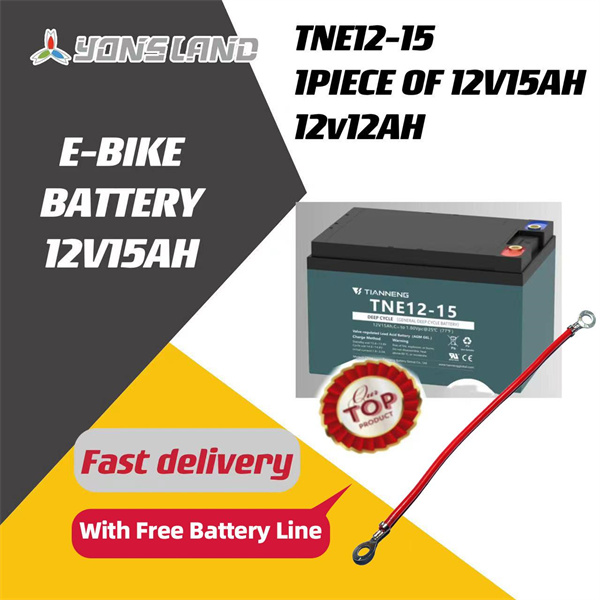
When looking for replacement batteries, avoid cheap, unbranded third-party batteries. They might look like a bargain, but they often lack proper safety certifications. They can fail quickly and, in worst-case scenarios, pose a serious fire hazard. Always invest in a new battery from a reputable manufacturer to ensure the longevity and safety of your fleet. You can find excellent options like the Battery for electric Ebike designed specifically for durability.
How to Choose the Right Battery Pack for Your Fleet?
Selecting the correct battery pack is a critical business decision. You need to choose the right specifications to match your customers' needs. The two biggest numbers to look at are voltage and amp-hours (Ah). Voltage dictates the power and speed, while amp-hours determine the total capacity. Multiplying these together gives you watt-hours (Wh), which is the true measure of e-bike battery capacity.
Different styles of bikes require different setups.
- 48v Systems: A 48v system offers plenty of punch for hills and heavy loads.
- Larger batteries: These are perfect for cargo bikes or long-distance touring models where maximum range is required.
- Smaller batteries: These work best on a lightweight folding bike or a simple urban commuter where weight is a primary concern.
If you are outfitting a fleet of step-thru bikes for casual city rentals, a mid-sized battery is usually perfect. The goal is to balance the weight of the ebike batteries with the necessary range. Understanding these metrics will deeply help you choose the right components for your specific market.
What Happens Inside the Battery During a Typical Ride?
Have you ever wondered what goes on inside the battery while you are cruising down the street? It is a highly complex, carefully managed process. The core of the battery pack consists of dozens of individual cells wired together. These lithium-ion cells look similar to regular AA batteries but are much more powerful.
Overseeing these battery cells is the battery management system, commonly known as the bms. The bms is the brain of the operation. It constantly monitors the temperature, voltage, and current of every single cell. It ensures that all cells discharge at the same rate. This smart balancing acts as a vital safety net, protecting the entire battery system.
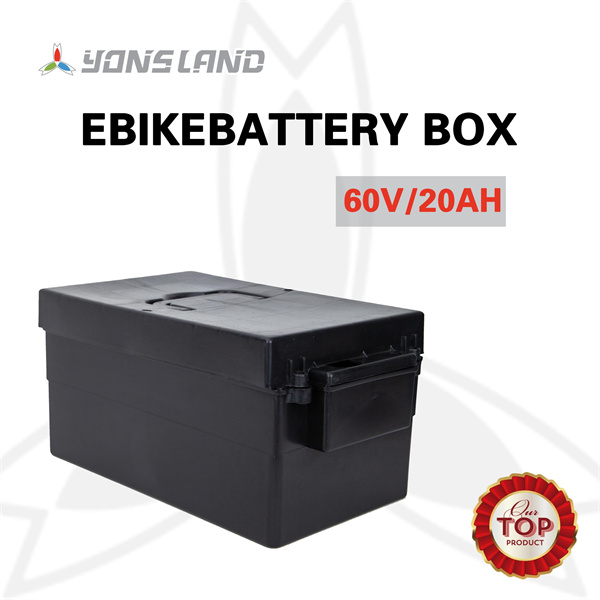
If the bms detects an issue, like an impending overcharge or a dangerous temperature spike, it will instantly shut the battery down. This feature drastically reduces the fire risk associated with high-energy lithium batteries. Premium packs often use high-quality cells from trusted brands like Samsung or LG, ensuring that the chemistry inside remains stable and highly efficient under heavy loads. Check out protective enclosures like the Ebike Battery Box to see how these vital systems are kept safe from the elements.
Why Do Lithium and High-Quality Cells Matter for an Ebike?
When it comes to an ebike, not all power sources are created equal. Older lead-acid batteries are heavy, slow to charge, and lose capacity quickly. That is why almost all modern bikes use lithium. A true lithium-ion e-bike offers a massive advantage in power-to-weight ratio.
However, just having a lithium-ion sticker isn't enough. The actual battery quality makes a huge difference. A quality battery built with premium cells will deliver consistent voltage throughout the entire ride. Cheap batteries suffer from "voltage sag," meaning the bike feels incredibly sluggish when the battery is only half empty.
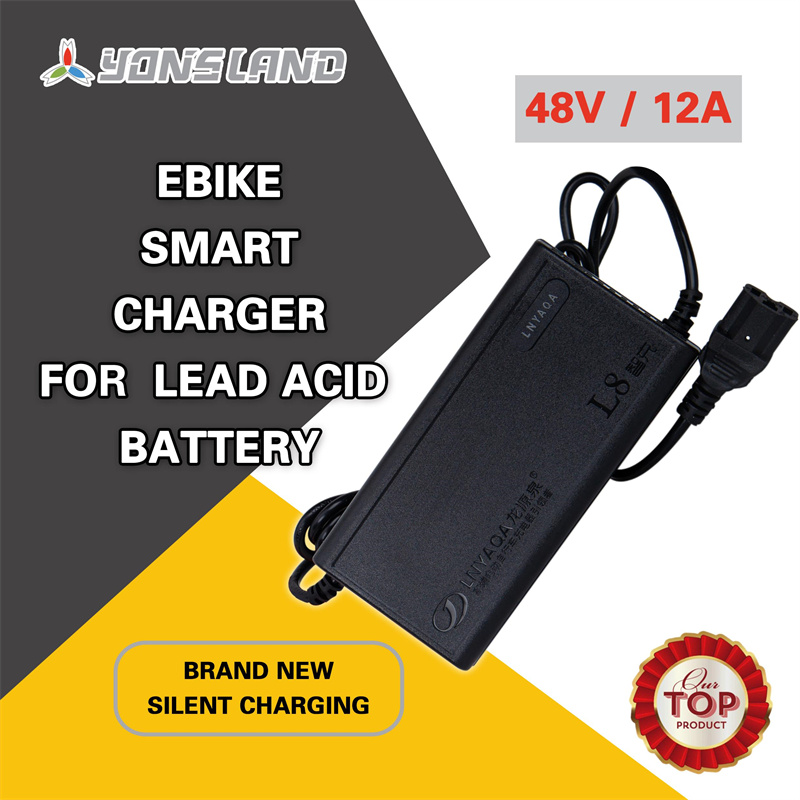
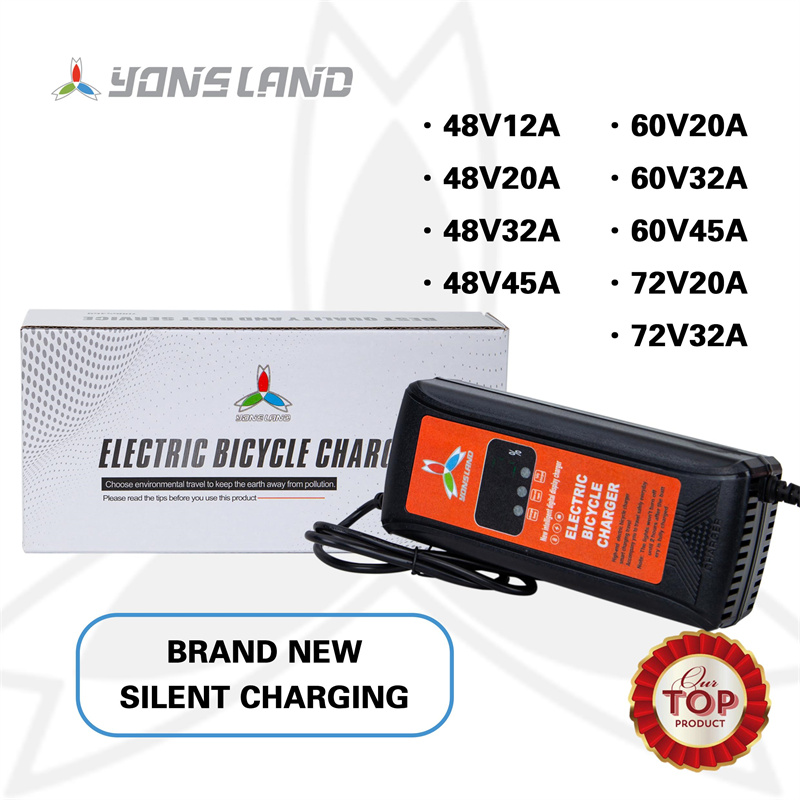
Durability is another major factor. High-quality packs are rigorously tested to withstand vibrations and minor impacts. Furthermore, they are paired with proper charging equipment. Good chargers are designed to communicate directly with the bms, ensuring safe charging every single time. Using cheap, generic chargers on an expensive battery is a recipe for disaster.
How Does a Rear Rack vs. Frame Mount Affect Your Bike?
Where you place the heavy battery significantly changes how the bike feels and handles. Traditionally, many older or budget-friendly bikes used a rack-mounted design. The battery sits high up on the rear rack, usually right above the back wheel.
While this design makes it very easy to create a low step-through frame, it has drawbacks. Putting that much weight high up and in the back can negatively affect handling. The bike might feel "tail-heavy" or slightly wobbly when you turn sharp corners at low speeds.
In contrast, modern designs integrate the battery straight into the downtube of the frame. This lower center of gravity drastically improves the overall ride quality. The bike feels much more balanced, grounded, and nimble. For a premium riding experience, frame-mounted batteries are generally preferred by seasoned riders and industry experts alike.
"Mounting the battery low in the frame completely changes the physics of the ride. It transforms a bulky e-bike into a machine that handles just like a traditional bicycle." — Industry Engineering Expert
How Do Extreme Riding Conditions Impact Electric Bike Batteries?
Your local riding conditions play a massive role in how your battery performs day-to-day. If you are riding on smooth, flat pavement with no wind, you will easily hit the manufacturer's stated miles range. But the real world is rarely that perfect.
Taking an ebike on rugged off-road trails or over chunky rough terrain forces the motor to work much harder. The constant bumps and resistance draw more amps from the electric bike batteries. Similarly, tackling steep climbs will drain the power incredibly fast. You might notice that your distance on a single charge gets cut in half when you ride in the mountains.
Cold weather also temporarily reduces the battery range. When lithium cells get very cold, the chemical reactions slow down. A single charge won't take you nearly as far in freezing December weather as it would on a warm July afternoon. Understanding these environmental factors helps you set realistic expectations for your customers.
Why is Finding the Right Battery Critical for a Seamless Battery Replacement?
When it is finally time to swap out an old unit, finding the exact right battery is absolutely essential. You cannot just buy any generic block of lithium and strap it to the frame. Compatibility is the number one rule of a successful battery replacement.
The new unit must be physically designed to work with the bike's specific mounting bracket. The voltage must perfectly match the motor and controller settings. Also, the wiring connectors must align. For a look at the wiring infrastructure, explore high-quality Electric ebike battery cables that ensure optimal current flow.
It is highly recommended to use a manufacturer-approved replacement. These are specifically designed for riders of that exact model. Additionally, always use the correct charger. Mismatched batteries and chargers are a massive safety hazard. Finally, if you live in a cold climate, having a removable battery is a lifesaver. A removable pack allows you to bring the battery indoors to charge, protecting it from freezing garage temperatures and keeping the cells warm and healthy. Keeping it indoors during winter is one of the easiest maintenance tasks you can do.
Frequently Asked Questions About High-Quality E-Bike Battery Care
When dealing with distributors and fleet managers, certain questions pop up repeatedly. Here is a quick guide to addressing the most common concerns about high-quality power systems.
Q: Exactly how long do lithium-ion e-bike batteries last?
A: Typically, a good lithium pack will last between 3 to 5 years, or about 500 to 800 charge cycles, before the capacity drops below 80% of its original strength.
Q: Are e-bike batteries fully waterproof?
A: High-quality e-bike batteries are built to be highly water-resistant (usually IP65 rated), meaning they can handle heavy rain and puddles. However, they are not completely waterproof and should never be fully submerged in water.
Q: Can I leave my battery plugged into the charger overnight?
A: Modern smart chargers are designed to stop supplying power once the battery hits 100%. However, for maximum safety and to prevent any slight chance of overcharging, it is best practice to unplug the charger once the light turns green.
Q: Why does my bike's display show the battery level jumping up and down?
A: This is known as voltage sag. Under heavy e-bike use (like climbing a steep hill), the voltage temporarily drops, making the display read lower. Once you stop straining the motor, the voltage bounces back up. This is normal, though less pronounced in premium packs.
Performance Metrics Comparison
| Voltage System | Ideal Terrain / Use Case | Typical Capacity (Ah) | Main Advantage |
|---|---|---|---|
| 36V | Flat city commutes, lightweight bikes | 10Ah - 14Ah | Lighter weight, highly efficient |
| 48V | Hilly terrain, cargo hauling | 14Ah - 20Ah | Excellent torque, great balance |
| 52V+ | Extreme off-road, high-speed | 17Ah - 25Ah | Maximum power, less voltage sag |
Note: Always ensure the voltage matches your specific motor controller to guarantee consistent performance.
In conclusion, understanding how these energy storage systems work is a game-changer. It is important to get the right specifications to ensure safety, reliability, and rider satisfaction. By maintaining your fleet properly, investing in good cells, and knowing when to upgrade, you secure the best possible return on investment.
Key Takeaways to Remember
- Lifespan Management: Never store your battery completely empty; keep it around 50% charge for long-term storage in a cool, dry place.
- The Brain of the System: The BMS (Battery Management System) is crucial for balancing cells and preventing dangerous overcharging.
- Replacement Rules: Always choose manufacturer-approved replacements to ensure perfect compatibility and eliminate fire risks from cheap third-party knockoffs.
- Right-Sizing: A 48v system offers an ideal balance of torque and range for most hilly urban environments and light cargo duties.
- Temperature Matters: Extreme cold drastically reduces range; always bring a removable battery indoors to charge during winter months.
- Quality Pays Off: High-quality lithium cells (like Samsung or LG) deliver consistent power without heavy voltage sag, significantly improving the overall riding experience.
Post time: Jul-09-2026