

Securing an electric bike requires serious, heavy-duty protection. This comprehensive guide is absolutely worth reading because it reveals the hidden truths about modern vehicle defense. You will learn exactly how to protect your expensive investment against modern, battery-powered tools. We will explore why choosing the right physical mechanism matters immensely, and which specific products truly stand out this year. Let’s dive into the mechanics of theft prevention and keep your property exactly where you left it.
Why is a Dedicated Lock Essential for Your E-Bike?
When you purchase a new bike, the excitement is overwhelming. You want to ride it everywhere, from the local grocery store to the scenic trails just outside of town. The thrill of electric acceleration changes how you commute. But the threat of bike theft is a harsh reality that every cyclist must face daily. If your bike is stolen, that initial joy turns instantly to deep frustration and financial loss. You must protect your bike with a robust system that actually works in the real world. Many casual riders mistakenly think a cheap, generic device is enough. It isn't. An expensive e bike needs serious defense.
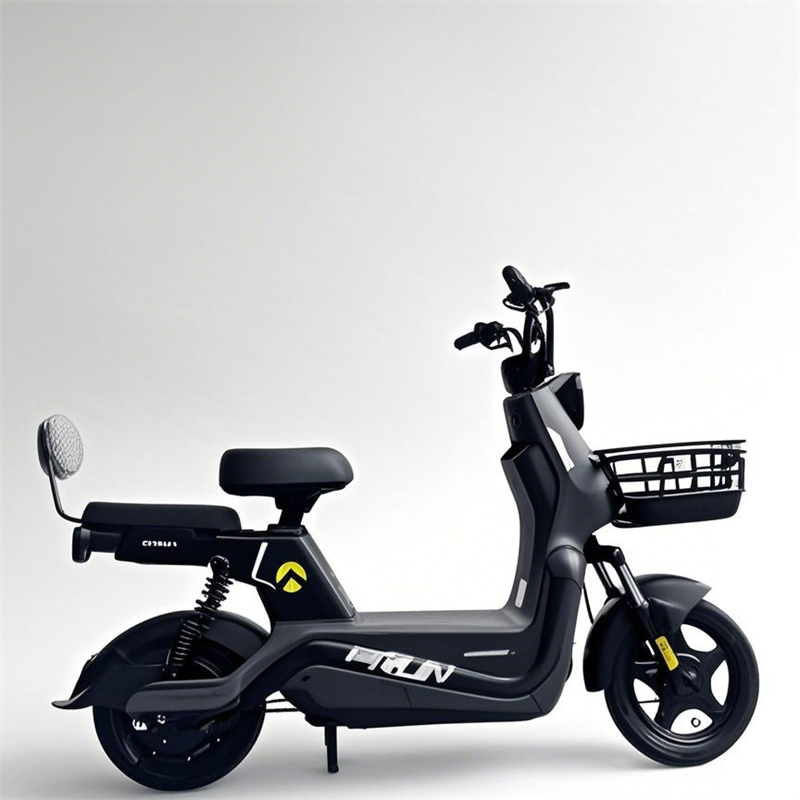
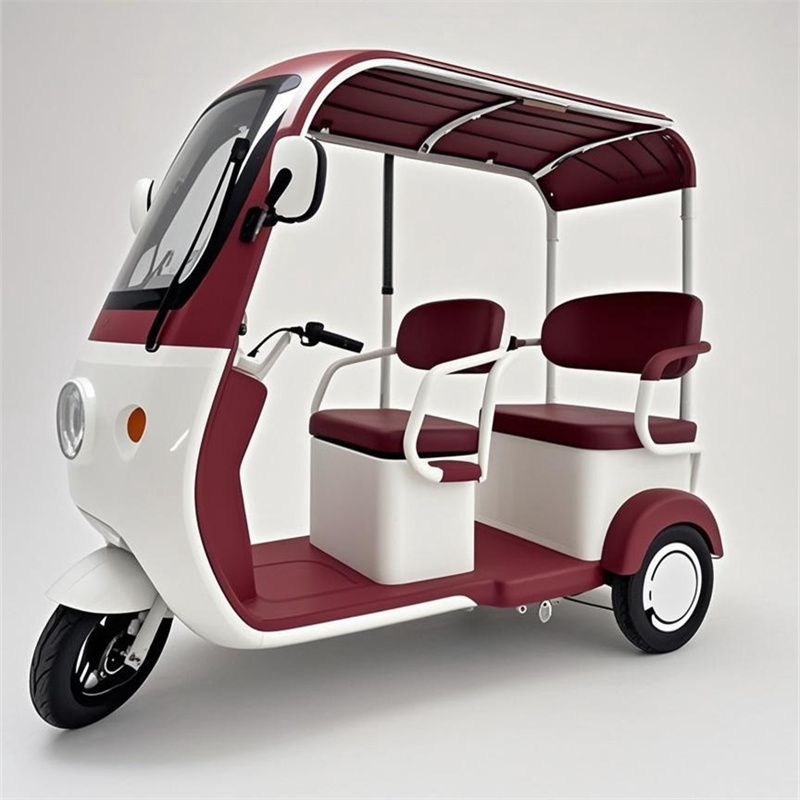
Whether you ride a standard traditional bike, an aggressive mountain bike, or a heavy utility cargo bike like the highly capable YONSLAND X9 new 3wheels ebike, the core security principles remain exactly the same. You need a decent lock. Think about the terrible sinking feeling of returning to an empty rack after a long day at the office. Having your prized vehicle taken is devastating. The ultimate goal is to keep your bike safe at all times. A flimsy string of braided metal simply won't cut it against a motivated, prepared bike thief.
When securing a bike, you must assume criminals carry highly effective tools in their backpacks. They often carry massive bolt cutters or worse. To truly secure your bike, you have to invest in thick, hardened steel components. It might feel slightly bothersome to carry extra weight, but learning how to properly lock a bike is a fundamental ownership skill. Don't leave things to chance; take proactive control of your security setup today.
How Do You Find the Best Bike Lock for High-Theft Areas?
If you live in a bustling metropolis or a busy college town, you face unique risks on a daily basis. Choosing the best lock is a serious decision that requires research. When you choose the best equipment, you drastically reduce your daily anxiety. You have to evaluate the type of lock you are buying carefully. There are many locks available, but not all are created equal. You might need a lock that is exceptionally heavy and brutal in its construction.
So, how do you choose a lock? Start by objectively assessing your daily environment. Ask yourself, how long will my vehicle be left unattended? If you want a lock that stops absolutely everything, be prepared for some extra carrying weight. Choosing heavier locks generally provide much more physical resistance against attacks. Conversely, small locks are highly convenient for quick cafe stops but are often structurally weak. If the lock is small, it might not even reach around thick city lampposts or wide municipal racks.
You need to secure the entire machine comprehensively. A good lock for your bike will comfortably loop through the main frame triangle and the rear wheel simultaneously. When looking at the best bike lock on the market, always look for independent, rigorous testing certifications like Sold Secure Diamond. This high rating means the lock will make a criminal sweat heavily to defeat it. You just have to decide if you are willing to carry the extra bulk. Buying a reliable new lock is a very small price to pay for total peace of mind.
Can Any Lock Survive an Angle Grinder Attack?
This is the big question on everyone's mind in the cycling community today. Modern thieves extensively use compact, battery-powered tools that are incredibly easy to conceal. An angle grinder spins a highly abrasive cutting disc at thousands of revolutions per minute. It generates immense heat and friction. For years, nothing could stop it. Now, forward-thinking manufacturers are fighting back with angle grinder proof materials. These special composite compounds actively destroy the cutting discs before the thief can cut the lock.
A standard steel lock simply melts under the intense shower of sparks. You strictly need specific, advanced models to fight back effectively. When you get this lock, you literally buy precious time. The longer the attack takes, the more noise is generated, and the more likely the criminal will flee in panic. You want a lock to secure your ride that aggressively fights the spinning blade. Some elite brands now produce the best anti-grinder armor ever seen in the commercial security industry.
Even recognized security experts like the lock picking lawyer admit that brute force is by far the most common attack method on the streets. Criminals rarely pick the delicate keyway while crouching on a busy sidewalk. They almost exclusively use an angle grinder. Therefore, your primary defense must be immense material thickness and specialized grinder-resistant coatings. Don't be easily fooled by flashy marketing phrases; demand real-world, documented testing before trusting your property to a device.
What Makes the Hiplok and Litelok Brands Stand Out?
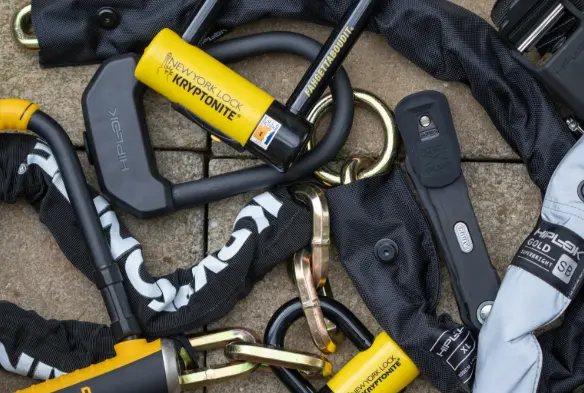
These two innovative companies completely changed the security game. Hiplok smartly introduced wearable locks that wrap comfortably around your waist while riding. This clever design makes carrying heavy steel incredibly easy and ergonomic. The hiplok gold was a massive favorite for years among couriers, offering strong chain links that adjusted like a standard belt. Then, the street threat evolved significantly, and so did the company's engineering.
The true industry revolution arrived with the Hiplok D1000. This incredibly heavy-duty piece of gear is literally designed from the ground up to break grinder discs into useless pieces. It heavily utilizes a proprietary material called Ferosafe. Similarly, the Litelok X1 dramatically entered the arena with its own aerospace-grade technology. The Litelok brand uses a patented composite called Barronium. Both the Litelok X1 and the Hiplok D1000 represent the absolute pinnacle of modern defense against a sustained angle grinder assault.
They are undeniably not cheap. But when you own the best bike, you absolutely need the best bike lock. Discovering a category of locks that offers extreme resistance is a huge relief for commuters. Using a Hiplok or a Litelok means a determined thief will likely ruin several expensive cutting discs just trying to get halfway through the shackle. It serves as an incredible, sparks-flying visual deterrent.
How Does the Kryptonite New York Compare to the Abus Granit?
For decades, the bright yellow kryptonite lock was the unquestioned gold standard of street security. Bike messengers in the toughest urban jungles swore by its reliability. The Kryptonite New York series, specifically the massively heavy kryptonite new york fahgettaboudit, is totally legendary. It features an incredibly thick, oversized steel shackle. It is a massive, highly intimidating U lock that stops most hand-tool attacks instantly.
On the other side of the Atlantic Ocean, the German brand Abus dominates the European market. The Abus Granit line is equally famous globally for its meticulous precision engineering. Specifically, the abus granit x plus mechanism is incredibly difficult to manipulate or drill. An abus lock uses high-quality, deeply hardened steel that cleanly resists giant bolt cutters effortlessly. Every single detail on an Abus Granit product feels incredibly refined and smooth.
Comparing them is exactly like comparing two heavyweight boxers. A Kryptonite New York model primarily relies on sheer, brute steel thickness to survive. An Abus relies heavily on advanced steel alloys and highly complex, pick-resistant keyways. Both are undeniably excellent choices if you simply need a reliable U lock for everyday use. However, neither is completely immune to a sustained angle grinder attack, though they will certainly fight it hard and make a lot of noise.
Are Folding Designs a Secure Option for Modern Riding?
As we closely look at the locks 2026 lineup, folding designs remain extremely popular among commuters. A folding lock is very convenient to carry on long journeys. It usually bolts directly to your frame's water bottle mounts and folds up neatly into a tight rectangle. But is a folding lock actually safe to use? It heavily depends on the steel joints. Cheap, generic versions break very easily at the pivoting rivets.
Premium quality folding locks use specially hardened steel links and tough, drill-resistant rivets. If you buy a highly rated, secure folding lock, it provides excellent physical flexibility. You can easily wrap it around awkward municipal objects where a standard, rigid U lock simply will not fit. This specific versatility makes them highly desirable for daily commuting across diverse city environments.
However, there is a notable catch that riders must understand. In general, these locks are less secure than a massive, solid piece of steel shaped into a U. The pivoting joints naturally represent a structural vulnerability. If a strong thief gains enough mechanical leverage, they can sometimes twist and pop them apart. Therefore, a secure folding lock is a great choice for medium-risk daytime areas, but perhaps not ideal for overnight stays in a dark, quiet alleyway.
Why Should You Use a Backup Chain System?
Thieves are fundamentally lazy opportunists. They actively want a fast, quiet, and incredibly easy target. Relying on just one lock is a rookie mistake that makes their job easier. If a thief quickly defeats your main lock, the bike is gone forever. That is exactly why security experts always strongly recommend using two locks simultaneously. A heavy U lock can thoroughly secure the back wheel and frame, while a secondary lock handles the vulnerable front wheel. This smart strategy literally doubles the effort required.
A thick, heavy chain lock is absolutely perfect for this backup role. When you use a kryptonite chain, the heavy links physically move and roll around when attacked. This specific movement makes it incredibly frustrating to effectively use an angle grinder against it. The chain lock absorbs the harsh vibration and bounces wildly, forcing the thief to dangerously use two hands to hold it steady while cutting.
Using a second lock also allows you to intelligently mix lock types. A prepared thief might carry specialized tools to pick a specific brand's keyway. If your second lock uses a completely different internal mechanism, they might simply give up in frustration. Combining different physical styles is the absolute smartest way to frustrate criminals and thoroughly protect your expensive investment.
How to Safely Attach Your Frame to a Bike Rack?
Having great, expensive equipment means absolutely nothing if you use it incorrectly on the street. When you approach a public bike rack, always look for thick, immovable metal permanently cemented into the ground. Never lock your bike to a flimsy chain-link fence or a rotting wooden post. Savvy thieves will simply cut the object you attached the bike to, rather than fighting the lock itself.
You must lock the frame every single time. Do not just lazily loop your gear through the front wheel. A quick thief will simply unbolt the quick-release wheel and casually walk away with the rest of your expensive machine. Always pass the hardened shackle through the main bike frame and the rear wheel simultaneously. This is the absolute golden rule of urban security.
Furthermore, keeping the lock tight against the frame is also crucial. Leave as little extra empty space inside the shackle as physically possible. If the fit is tight, a criminal cannot easily insert a hydraulic jack or a long pry bar to burst it open. You intensely want the lock to go snugly around the frame and the thick bike rack. A tight fit makes leverage attacks almost physically impossible. Learning to smoothly lock and unlock your gear in this tight, restricted space takes some practice, but it is worth the effort.
What Features Make the Litelok X1 and Abus Unique?
An electric bike is heavy, powerful, and highly valuable on the black market. Therefore, a lock for ebike needs to be exceptionally robust to handle the increased threat level. You absolutely cannot trust a thin, cheap cable lock. A standard cable lock can be silently snipped in two seconds with small hand tools hidden in a jacket pocket. They are honestly only good for safely securing a cheap helmet, not an expensive motorized vehicle.
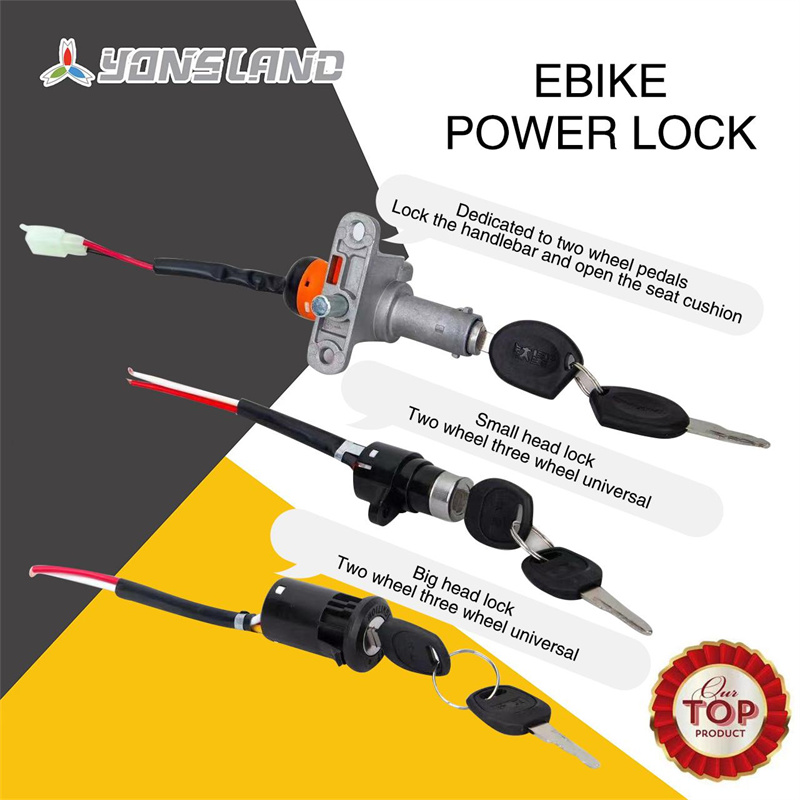
Because an ebike often has an oversized, thick down tube containing the high-capacity battery, a standard-sized lock might simply not fit around it. You need a secure bike lock with a significantly longer shackle or a long, heavy chain. Extra clearance is vital for these larger frames. Also, smart owners should strongly consider integrated Ebike Power Lock systems that electronically disable the motor itself, rendering the vehicle useless to a thief.
Furthermore, ebikes also require special attention to the battery component. Even if the bike is locked securely to a pole, thieves might violently try to pry the expensive battery off the frame. Always ensure the battery's built-in, factory key lock is fully engaged. Adding a loud, motion-sensitive EBike Alarm set Split is another fantastic way to drastically boost your overall bike security. A screaming, high-decibel alarm draws unwanted public attention instantly, usually sending the thief running.
Is Buying the Best Bike Worth It If Security Fails?
Let's be entirely realistic about your investment. You just spent thousands of dollars on the best bike available on the showroom floor. Why on earth would you try to protect it with a flimsy, thirty-dollar accessory? The harsh, unavoidable truth is that if you don't invest heavily in a secure lock, your amazing ride will inevitably vanish into the night. An e-bike is a massive, highly visible target for organized crime rings.
When an angle grinder hits cheap, untreated metal, it sparks briefly for a few seconds before violently breaking right through. But when an angle grinder hits an armored Hiplok or a tough Litelok, the criminal faces a terrifying, exhausting fight that ruins their tools. Investing proportionally in the best bike lock gives you invaluable peace of mind. It allows you to comfortably grab a coffee or attend a long meeting without nervously staring out the window in a panic.
As an individual rider or a commercial fleet manager, solid security is completely non-negotiable. If a bike stolen report crosses your desk, it severely hurts your bottom line and ruins your day. Use heavy chains, use grinder-resistant U-locks, and always securely lock your bike to a solid, permanent municipal fixture. Your e-bike absolutely deserves the highest level of physical protection available on the market today.
Bullet Point Summary of the Most Important Things to Remember:
- Never rely on a flimsy cable lock; always use hardened steel or advanced composite materials to protect your ebike properly.
- To successfully stop a modern angle grinder attack, you must invest in specialized, grinder-resistant gear like the Hiplok D1000 or the Litelok X1.
- Always use a heavy chain lock as a secondary defense layer to severely frustrate any potential thief by requiring different attack methods.
- Always secure the main bike frame and the rear wheel together tightly to a sturdy, immovable bike rack to prevent leverage attacks.
- Combine a strong physical bike lock with an audible motion alarm or an electronic Ebike Power Lock to deter criminals immediately upon tampering.
Post time: Mar-31-2026