

If you searched “was the electric bikes I bought fully assembled”, this guide answers it properly: what “fully assembled” means in practice, how to tell which state your unit arrived in, exactly what is left to do, and the checks that should happen before you ride.
What “fully assembled” actually means for an e-bike
The phrase hides three different levels of readiness, and sellers rarely spell out which one they mean.
| Delivery state | What it means | What you still do |
|---|---|---|
| Factory boxed (~85–95%) | Frame, motor, controller and wiring installed; wheels, bar, pedals, saddle and battery packed separately | Fit wheel, bar, pedals, saddle, battery; set tyre pressure; check brakes; charge |
| Dealer prepped | Assembled, adjusted and often test-ridden by the shop before handover | Set saddle height and mirror; confirm battery charge; read the manual |
| White-glove delivery | Built at your address and handed over ready to ride | Inspect, adjust contact points, learn the controls |
“Fully assembled electric bikes” in a listing normally describes the third case, or a dealer-prepped unit. If the product page does not say “assembled before delivery” or “free assembly on pickup”, assume the boxed state and plan accordingly.
Why fully assembled electric bikes are rare in a carton
It is not corner-cutting; it is physics and freight economics.
- Box size. A complete e-bike occupies far more container space. Removing the front wheel, bar and pedals can cut the carton volume substantially and reduce shipping cost per unit.
- Transit damage. Handlebars, displays, mirrors and brake levers are the most fragile parts in a shipment. Folding them into the box protects them from impact.
- Battery rules. Lithium batteries are shipped separately or in a protected compartment under dangerous-goods rules, and are often partially discharged for transport safety.
- Local adjustment. Saddle height, bar angle, brake reach and mirror position are personal settings. They have to be done at the destination anyway.
How to tell what state your bike arrived in
If you expected fully assembled electric bikes and the carton looks shorter than the finished unit, the front wheel is almost certainly out. Check these five signals before you start unwrapping:
- Box size and weight. A long, narrow carton that is visibly shorter than the finished bike means the front wheel is out. A near-bike-sized crate suggests it may be assembled.
- Tools in the box. A small multi-tool, pedals, charger and a manual indicate a boxed unit that expects you to finish the build.
- Loose parts list. Compare the packing list against what is inside. Missing pedals or axle nuts usually mean assembly is pending, not that the shipment is short.
- Battery state. A battery stored at 30–50% is normal for transport; it needs a full charge before a long first ride.
- Dealer paperwork. A handover checklist or assembly sticker with a shop name means it was prepped before delivery.
What is normally left to do
For a boxed two-wheel e-bike, the remaining work is predictable:
| Task | What to watch for |
|---|---|
| Front wheel | Correct axle spacers, disc rotor aligned in the caliper, quick-release or thru-axle fully closed |
| Handlebar and stem | Bar centred, levers at a comfortable angle, all stem bolts tightened evenly to the marked torque |
| Pedals | Right pedal clockwise, left pedal counter-clockwise; cross-threading destroys the crank arm |
| Seatpost and saddle | Minimum insertion mark respected, saddle level, clamp tight |
| Battery | Keyed into the frame or rack properly, charge port dry, charge to full before the first long ride |
| Brakes | Lever feel firm, rotor not rubbing, disc brakes bedded in before hard stopping |
| Tyres | Inflate to the pressure printed on the sidewall, not to a guess |
| Display and lights | Wheel size, units, speed limit and PAS level set; lights and horn working |
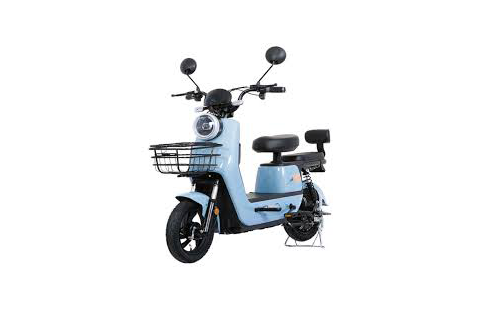
Three-wheel and four-wheel models add bodywork, mirrors, rear seats and sometimes a second battery. Allow one to two hours rather than half an hour.
The pre-ride check that matters more than assembly
Assembly is finished when the bike is safe, not when the last bolt is in. Before the first ride, confirm each of the following:
- Torque, not “tight enough”. Stem, seatpost, axle and brake bolts have specified values. A torque wrench is the cheapest insurance an e-bike owner can buy, because the motor and the battery weight load these joints harder than a conventional bicycle.
- Brake cutoff. With the bike in a stand or held steady, pull each brake lever and confirm the motor cuts out before the wheel stops.
- Throttle and pedal assist. Test each level on a quiet street, not in traffic. Confirm assist engages smoothly and stops when you stop pedalling.
- Wheel and rotor alignment. Spin each wheel; listen for rubbing, ticking or a wobble. A misaligned rotor will overheat and glaze.
- Battery lock and charge level. The pack must not move when the bike is rocked. Charge to full, then check the charger shuts off correctly.
- Lights, reflectors and mirrors. Required for road use, and the first thing to fail if wiring was pinched during assembly.
- Brake bed-in. Ride slowly and apply the brakes repeatedly before relying on them in traffic.
Philippines: rules and practical notes
Assembly is only half of “ready to ride”. In the Philippines, e-bike use is governed by a mix of national and local rules that are still evolving.
- Registration and licensing. The Electric Vehicle Industry Development Act (EVIDA) framework and subsequent LTO issuances are phasing e-vehicles into registration and licensing rules. Requirements vary by classification, power and speed, so confirm the current LTO guidance and your LGU ordinance before riding on public roads.
- Where you can ride. Several cities and barangays restrict e-bikes and e-trikes from national roads and major arterials. Check local ordinances rather than assuming bicycle rules apply.
- Helmets and visibility. A helmet, working lights and reflectors are basic; in low-light traffic they matter more than any accessory.
- Wet season and flooding. Pasay and other low-lying areas flood. No e-bike is submersible: keep the motor, controller and battery above water, never pressure-wash the electronics, and dry the charge port before plugging in.
- Charging. Use the supplied charger on a 220 V circuit, avoid daisy-chained extension cords, and do not charge overnight on a flammable surface.
DIY or professional assembly?
Do it yourself if you are comfortable with torque values, disc brakes and thread direction, and you have a torque wrench. Ask a shop to do it if the unit is a three- or four-wheel model, if the brake and drivetrain need adjustment out of the box, or if the warranty requires professional build.
Whether you buy fully assembled electric bikes or a boxed unit, keep the evidence: photos of the box before opening, the serial number, the assembly receipt if a shop did the work. Those three items decide most warranty conversations.
If something is missing or damaged
Even fully assembled electric bikes can hide transit damage until the first ride. Deal with it before you touch a spanner.
- Photograph the carton before you open it, including any crushed corner or water mark.
- Note the damage on the delivery receipt before signing where possible.
- Photograph the bike, the affected part and the packing list together, so the claim is easy to verify.
- Stop assembly. Do not ride, and do not attempt repairs that could be read as your own damage.
- Send the order number, serial number and photos to the seller within the claim window stated in their terms.
Frequently asked questions
- Are electric bikes delivered fully assembled?
- Usually not. Most arrive at roughly 85–95% assembly, with the front wheel, handlebar, pedals, saddle and battery separate. A dealer who assembles before handover can deliver a ready-to-ride unit.
- Can I ride it straight out of the box?
- No. Fit the front wheel, handlebar, pedals and saddle, check brake adjustment and torque, inflate the tyres and charge the battery first.
- Does assembling it myself void the warranty?
- It can, if the brand requires a qualified technician or authorised dealer build, and damage caused by incorrect assembly is normally excluded. Confirm with the seller before you start.
- How long does assembly take?
- About 30–60 minutes for a two-wheel e-bike with basic tools and a torque wrench; one to two hours for three- and four-wheel models.
- Do three-wheel and four-wheel e-bikes arrive assembled?
- They usually arrive with more of the body already fitted, but handlebars, seats, mirrors, batteries and accessories still need installation and adjustment.
Post time: Nov-05-2026