

The world of electric mobility has evolved rapidly. Gone are the days when e-bikes were seen as slow, clunky alternatives to traditional bicycles. Today, the market is flooded with high-performance machines capable of hitting speeds that rival small motorcycles. If you are searching for the fastest electric bikes, you are likely looking for adrenaline, efficiency, or simply a faster commute.
But speed in the e-bike world is nuanced. It depends on motor wattage, battery voltage, and legal restrictions. In this guide, we will break down the fastest categories of e-bikes, what makes them tick, and how to choose the right high-speed machine for your needs.
Understanding the Classes: How Fast is Legal?
Before looking at raw speed, it is crucial to understand the classification system, especially if you live in the United States or Europe. The term electric fast bikes usually refers to Class 3 or "off-road" performance models.
-
Class 1: Pedal-assist only, with a maximum assisted speed of 20 mph.
-
Class 2: Throttle-assisted, with a maximum speed of 20 mph.
-
Class 3: Pedal-assist only, with a maximum assisted speed of 28 mph. These are often considered the baseline for "fast" commuters.
However, when enthusiasts ask about the fastest bikes, they are often talking about "unlocked" or private-property bikes. These machines feature motors ranging from 1000W to 5000W or more, capable of speeds exceeding 40 or even 50 mph. These are typically classified as mopeds or electric motorcycles in legal terms.
Top Contenders for the Fastest Electric Bikes
While ranking can change as new models drop, here are the categories and examples of bikes that dominate the high-speed market.
1. The Hyper-Speed Commuters (28–35 mph)
These are the fastest bikes you can typically ride legally on public roads without a license (depending on local laws). They utilize mid-drive or hub motors in the 750W to 1000W range.
-
Key Features: Torque sensors, high-voltage batteries (52V), and aerodynamic designs.
-
Performance: They accelerate quickly from stoplights and maintain high speeds even on hills.
-
Best For: Urban commuters who want to keep up with traffic flow and reduce commute times.
2. The Off-Road Beasts (35–50+ mph)
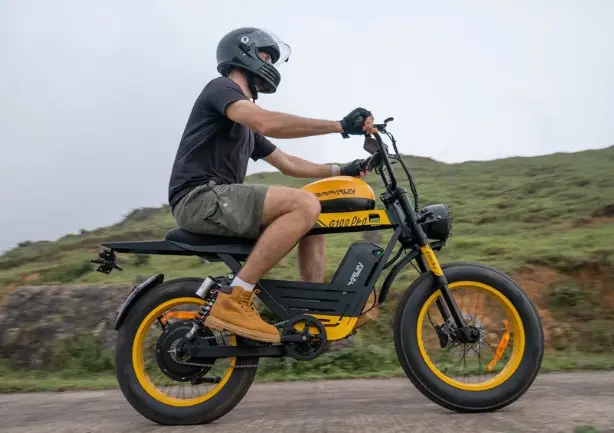
These are the true answer to "What are the fastest electric bikes?" in terms of raw capability. Often referred to as "E-Mopeds" or "Hyper E-Bikes," these models prioritize power over pedaling.
-
Key Features: Dual motors, massive battery capacities (often 60V or 72V), full suspension, and motorcycle-grade brakes.
-
Performance: These machines can hit 0 to 30 mph in just a few seconds. They blur the line between bicycle and motorcycle.
-
Best For: Off-road trail riding, private property use, and riders who want the absolute maximum torque and speed available.
What Makes an E-Bike Fast?
If you are in the market for electric fast bikes, you need to understand the components that generate speed.
Motor Wattage
The wattage of the motor is the primary indicator of power. A standard e-bike has 250W–500W. Fast e-bikes usually start at 1000W. A 2000W or 3000W motor will provide the kind of acceleration needed to reach 40 mph.
Battery Voltage and Amps
Speed isn't just about the motor; it's about the energy feeding it. A 48V battery might get you to 28 mph, but a 72V battery is almost mandatory for 40+ mph speeds. Higher voltage allows the motor to spin faster without overheating.
Controller Limitations
Many bikes are "locked" from the factory to comply with local laws. The "fastest" bikes often have user-accessible settings or aftermarket controllers that allow for "unlocking" the speed limiter. However, doing so often voids the warranty and makes the bike illegal for street use.
Safety and Legal Considerations
Speed is thrilling, but it comes with responsibility. If you are looking to purchase a high-speed e-bike, consider the following:
-
Braking: At 40 mph, standard bicycle rim brakes will fail. You need hydraulic disc brakes with large rotors (203mm or bigger).
-
Tires: Street tires rated for high speeds are essential. Knobby off-road tires can lose grip at high velocity on pavement.
-
Helmet: A full-face motorcycle helmet is strongly recommended for bikes that exceed 30 mph.
-
Registration: In many jurisdictions, bikes that exceed Class 3 limits are legally classified as mopeds or motorcycles, requiring a VIN, registration, and a driver's license.
Finding Your Perfect Fast E-Bike
The "fastest" bike isn't just about the top number on the speedometer; it's about the bike that fits your riding style and environment. Whether you are looking for a legal Class 3 commuter or a high-powered off-road machine, quality matters.
When upgrading to a high-speed model, you should consult with specialists who understand the mechanics of high-voltage systems.
For more information on high-performance electric mobility and to explore options that suit your need for speed, visit our contact page here . Our team can help guide you through the specifications of various fast e-bike models to ensure you get a machine that is safe, reliable, and exhilarating.
Conclusion
The fastest electric bikes on the market today can easily outpace city traffic and even keep up with highway speeds in some extreme cases. By understanding motor power, battery voltage, and legal classifications, you can make an informed decision. Just remember: with great speed comes great responsibility. Ride safe, wear a helmet, and enjoy the future of electric mobility.
Post time: Sep-03-2026