

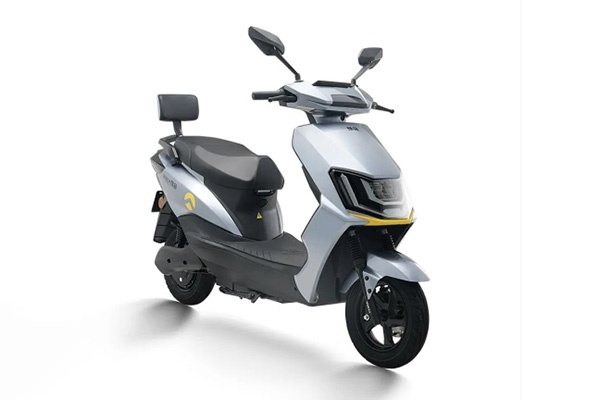
Full throttle electric bikes are e-bikes that can use motor power through a throttle without requiring the rider to pedal at the same time. Depending on the model, the throttle may be operated by a twist grip, thumb lever, or button on the handlebar. This gives riders direct control over electric power for starting, accelerating, or riding without continuous pedaling.
The term “full throttle” is commonly used in the market to describe an e-bike’s throttle-only riding capability. However, it does not refer to one universal technical or legal category. Motor output, top assisted speed, throttle behavior, and road-use rules can vary by model and by market.
How Do Full Throttle Electric Bikes Work?
Full throttle electric bikes use a battery, controller, motor, and throttle to deliver power to the wheel. When the rider activates the throttle, the controller sends electrical energy from the battery to the motor. The motor then assists in propelling the bike.
Most full-throttle e-bikes also include pedals. This allows the rider to pedal normally, use pedal assist, use throttle power when appropriate, or combine pedaling with electric assistance depending on the bike’s design.
The main components include:
- A rechargeable battery that stores energy
- An electric motor, usually hub-drive or mid-drive
- A controller that manages power delivery
- A throttle that activates motor power
- A display or control panel for riding modes and battery information
- Pedals and a drivetrain for conventional cycling and pedal-assist riding
Full Throttle vs. Pedal-Assist Electric Bikes
The key difference is how the motor is activated.
Full Throttle Mode
In full-throttle mode, the rider can activate the motor without pedaling. This may be useful when starting from a stop, carrying cargo, moving through an intersection, or reducing physical effort on a short ride.
Throttle use can consume battery energy more quickly than lower-level pedal assist because the motor may provide more of the propulsion work.
Pedal-Assist Mode
Pedal-assist systems provide motor support when the rider pedals. The assistance level may be adjusted through several power modes. Some systems respond to pedal movement, while others respond more closely to the rider’s pedaling force.
Pedal assist is often preferred by riders who want an experience closer to conventional cycling while still receiving support on hills, longer commutes, or windy routes.
Who Can Benefit from Full Throttle Electric Bikes?
Full throttle electric bikes can suit a range of everyday riding needs when the model is selected responsibly.
Urban Commuters
A throttle can provide quick assistance when starting from traffic lights or navigating stop-and-go city routes. Riders can still use pedal assist for a more efficient commute.
Cargo and Utility Riders
Riders carrying groceries, work equipment, or other loads may appreciate extra power when moving off from a stationary position. The right frame, brakes, tires, and load rating remain just as important as throttle capability.
Riders Facing Hills or Headwinds
Full throttle support may help riders manage short climbs or difficult conditions. For regular hill riding, battery capacity, motor performance, gearing, and overall vehicle weight should all be reviewed before purchase.
Riders Seeking Flexible Assistance
Some riders prefer the flexibility to pedal on open paths, use pedal assist for longer rides, and use the throttle selectively when additional help is needed.
What to Check Before Buying a Full Throttle Electric Bike
Not all full throttle electric bikes offer the same riding experience. A smart purchase decision should consider the complete specification rather than focusing only on the throttle.
| Buying Factor | Why It Matters |
|---|---|
| Motor type and output | Affects acceleration, hill-climbing support, and intended riding use |
| Battery capacity | Influences real-world range and charging frequency |
| Throttle response | Determines how smoothly and predictably power is delivered |
| Pedal-assist system | Helps balance rider effort, comfort, and battery use |
| Braking system | Essential for controlling a heavier, motor-assisted bicycle |
| Frame and load capacity | Important for rider fit, cargo use, and long-term durability |
| Tires and suspension | Affect comfort, traction, and suitability for road conditions |
| After-sales support | Helps with parts, battery care, maintenance, and technical questions |
Battery Range: Why Riding Style Matters
Range is not determined by battery size alone. Full throttle riding can draw more energy than light pedal-assist riding, so actual range can vary considerably.
Key factors include:
- Rider and cargo weight
- Terrain and gradient
- Wind conditions
- Tire pressure
- Riding speed
- Selected power mode
- Frequency of throttle use
- Battery condition and temperature
When comparing models, treat advertised range as a planning reference rather than a guarantee. Ask for practical range guidance based on your normal riding conditions.
Safety and Responsible Use
A throttle can provide convenient electric assistance, but it also requires controlled operation. Riders should become familiar with throttle response in a low-traffic area before using the bike in busy streets or shared spaces.
For safer operation:
- Wear a suitable helmet and visible clothing
- Check brakes, tires, lights, and battery charge before riding
- Apply throttle progressively instead of abruptly
- Reduce speed before turns, crowded areas, and uneven surfaces
- Keep both hands positioned for confident braking and steering
- Follow the manufacturer’s battery-charging instructions
- Verify local rules for e-bike classification, permitted riding areas, speed limits, registration, and licensing requirements
Local requirements may treat throttle-equipped models differently from pedal-assist-only e-bikes. Always confirm the rules that apply where the bike will be used.
Are Full Throttle Electric Bikes Right for You?
A full throttle e-bike can be a practical choice if you want flexible electric assistance for commuting, utility trips, leisure riding, or difficult starts. It is especially useful when you want the option to ride with less pedaling effort while retaining pedals for conventional riding and pedal-assist use.
The best model depends on your route, rider weight, cargo needs, terrain, target range, local rules, and preferred riding feel. Choosing the right battery, brakes, frame design, and support service is more important than selecting a throttle feature alone.
Conclusion
Full throttle electric bikes give riders the ability to activate motor power without continuous pedaling. They can offer convenient support for starts, short rides, cargo use, and demanding conditions, while many models also provide pedal-assist and standard pedaling options.
Before buying, compare the full specification, expected riding conditions, battery requirements, safety features, and local use requirements. A well-matched full-throttle e-bike should provide practical assistance while remaining comfortable, controllable, and suitable for your everyday journey.
For product information or help selecting the right electric bike, please contact us: https://www.yonslandph.com/contact-us/
FAQ
What does full throttle mean on an electric bike?
Full throttle means the motor can be activated through a throttle control without requiring the rider to pedal at the same time.
Do full throttle electric bikes also have pedals?
Many full throttle electric bikes include pedals and pedal-assist functions. The exact configuration depends on the model.
Does throttle riding reduce battery range?
It can. Frequent throttle-only use may consume more battery energy than lower-level pedal assistance, especially on hills, with cargo, or at higher speeds.
Are full throttle electric bikes legal on public roads?
Requirements vary by country, state, city, and riding area. Check local rules for throttle-equipped e-bikes before riding on public roads, bike paths, or trails.
What should I consider when choosing full throttle electric bikes?
Consider battery capacity, motor configuration, braking performance, load rating, frame fit, terrain, expected range, after-sales support, and local requirements.
Post time: Oct-29-2026