

The best electric racing bike is not simply the model with the highest top speed or the biggest battery. The right choice depends on where you ride, how far you travel, the terrain you face, your preferred riding position, and the local rules that apply to electric bicycles.
For some riders, the best option is a lightweight road-style e-bike with natural pedal assistance. For others, a more powerful performance model with a larger battery, stronger brakes, and wider tires may be more suitable. The best electric racing bikes combine responsive handling, dependable electrical performance, rider comfort, and a design that matches real-world riding needs.
What Makes an Electric Racing Bike Different?
An electric racing bike is generally designed to deliver a more performance-focused riding experience than a standard city e-bike. It may feature a lighter frame, sport-oriented geometry, efficient power delivery, responsive braking, and components selected for faster riding.
Common characteristics include:
- Lightweight aluminum or carbon-style frame construction
- Sporty riding position
- Efficient pedal-assist system
- Responsive acceleration
- High-performance brakes
- Road-focused or mixed-terrain tires
- Integrated battery design
- Gear systems suited to variable speeds and gradients
However, “racing” does not always mean that a bike is permitted for formal competition or unrestricted public-road use. Product classification, motor assistance limits, speed settings, helmet requirements, and permitted riding locations vary by market. Buyers should always verify local requirements before choosing a high-performance e-bike.
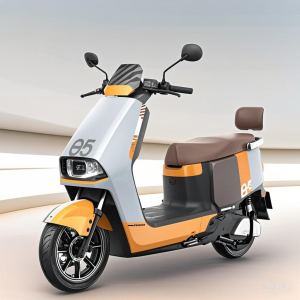
How to Choose the Best Electric Racing Bike
The best electric racing bike should match the rider’s intended use. Before comparing models, consider whether the bike will be used for fitness riding, long-distance road trips, commuting, weekend touring, or controlled private-road performance riding.
1. Motor Performance and Power Delivery
Motor power affects how the bike handles hills, acceleration, headwinds, and heavier riders. However, raw power alone does not define a better ride.
A well-designed motor system should provide smooth, predictable assistance. Sudden or poorly controlled acceleration can make handling less comfortable, especially on corners, wet roads, or busy urban routes.
When comparing electric racing bikes, look at:
- Motor position
- Power-delivery smoothness
- Pedal-assist response
- Hill-climbing ability
- Torque characteristics
- Riding modes
- Noise level
For road-focused use, smooth assistance and natural pedaling feel can be more valuable than maximum output.
2. Battery Capacity and Real-World Range
Battery size influences how far an e-bike can travel, but actual range depends on many factors.
These include:
- Rider weight
- Terrain and road gradient
- Wind conditions
- Tire pressure
- Assist level
- Riding speed
- Cargo load
- Temperature
- Pedaling input
A larger battery may support longer trips, but it can also increase total bike weight. Riders who prioritize agility and a lightweight feel may prefer a more compact battery system. Riders who travel longer distances or face frequent hills may benefit from greater battery capacity.
The best electric racing bike is one that provides enough real-world range for the rider’s normal route without adding unnecessary weight or cost.
3. Frame Weight and Handling
Weight has a major influence on acceleration, cornering, carrying, storage, and overall riding feel.
A lighter frame can make a performance e-bike feel more responsive, especially when climbing hills or maneuvering through turns. But buyers should balance weight against durability, battery capacity, riding comfort, and total load requirements.
For many riders, a slightly heavier but well-balanced e-bike may be more practical than an ultra-light model with limited range or reduced comfort.
Good handling depends on more than total weight. It also depends on frame geometry, wheelbase, tire choice, fork design, handlebar position, and the placement of the motor and battery.
Braking Is Essential for Performance Riding
High-quality brakes are especially important for electric racing bikes because assisted riding can increase average speed and total vehicle weight.
Disc brakes are commonly preferred for performance-oriented e-bikes because they can provide controlled braking in a wide range of conditions. Buyers should also consider rotor size, brake lever feel, maintenance requirements, and the availability of replacement parts.
A good braking system should help the rider maintain control—not just stop quickly. This is particularly important when descending hills, riding in wet weather, carrying accessories, or navigating traffic.
Tires, Suspension, and Road Comfort
The best electric racing bike should suit the surface you ride on most often.
For smooth paved roads, narrower tires may support lower rolling resistance and a faster road-bike feel. For mixed urban roads, imperfect pavement, or light gravel, slightly wider tires can improve comfort, grip, and confidence.
Consider the following:
| Riding Condition | Suitable Feature |
|---|---|
| Smooth roads and fitness riding | Lightweight frame and road-oriented tires |
| City commuting | Durable tires, lights, fenders, and practical range |
| Hilly routes | Strong pedal assist and dependable brakes |
| Mixed road surfaces | Wider tires and stable geometry |
| Long-distance riding | Comfortable saddle, efficient battery, ergonomic handlebar |
| Wet or variable conditions | Good tire grip, bright lights, and controlled braking |
Suspension is not necessary for every rider. A rigid road-focused frame may feel more direct and efficient on smooth roads, while front suspension or comfort-focused components can improve daily riding on rougher surfaces.
Should You Choose a Lightweight or Long-Range Model?
This is one of the most important decisions when buying an electric racing bike.
Choose a lighter performance model if you value:
- Faster handling
- Easier lifting and storage
- A more traditional road-bike feel
- Fitness-oriented riding
- Shorter or moderate-distance routes
Choose a larger-battery model if you need:
- Longer travel distance
- More support on hills
- Frequent commuting
- Less concern about charging during the day
- Greater flexibility for changing routes
There is no single best answer. The ideal balance depends on your route, riding frequency, charging access, and performance expectations.
Safety and Compliance Before You Buy
Before purchasing electric racing bikes, confirm the rules in your target market. E-bike classifications, speed limits, motor-output limits, helmet rules, registration requirements, and permitted riding areas can differ between countries and cities.
You should also check:
- Whether the battery and electrical system meet relevant safety requirements
- Whether the charger is supplied or approved for the bike
- Whether local service and spare parts are available
- Whether the bike has suitable lights, reflectors, and braking components
- Whether the rider and bike fit within stated weight limits
A high-performance bike should never compromise basic safety. Use the correct charger, follow the manufacturer’s battery instructions, inspect the bike before riding, and avoid using damaged electrical components.
What Is the Best Electric Racing Bike for You?
The best electric racing bike is the one that fits your riding purpose, physical needs, route conditions, and local market requirements.
For riders focused on speed and agility, a lightweight road-style e-bike with smooth pedal assistance may be ideal. For long-distance riders, a larger battery and comfort-oriented geometry may offer better value. For mixed city and suburban roads, a balanced design with reliable brakes, practical range, and stable handling can be the strongest choice.
Instead of choosing based only on speed or appearance, compare the complete package: motor, battery, frame, brakes, tires, rider position, service support, and intended application.
Conclusion
The best electric racing bike should feel fast, stable, comfortable, and dependable for the way you actually ride. High-quality electric racing bikes are built around balanced performance—not just maximum motor output.
By selecting the right motor system, battery capacity, frame geometry, brakes, and tire setup, riders can enjoy a more efficient and confident e-bike experience. Always confirm that the chosen model is suitable for your local regulations and intended riding environment.
To explore electric mobility solutions and discuss suitable models for your market, please contact Yonsland.
FAQ
Are electric racing bikes legal on public roads?
Legality depends on local e-bike classification rules, motor output, assisted-speed limits, and where the bike is ridden. Always check local requirements before use.
Is a higher-power motor always better?
Not necessarily. Smooth power delivery, battery efficiency, handling, braking, and rider control are often more important than maximum power alone.
How far can an electric racing bike travel?
Range depends on battery capacity, rider weight, terrain, assist mode, weather, speed, tire pressure, and pedaling input. Review manufacturer range information as an estimate, not a guarantee.
What should I check before buying an electric racing bike?
Check the motor system, battery, charging equipment, frame size, braking system, tire type, local compliance requirements, warranty, and after-sales support.
Post time: Sep-20-2026